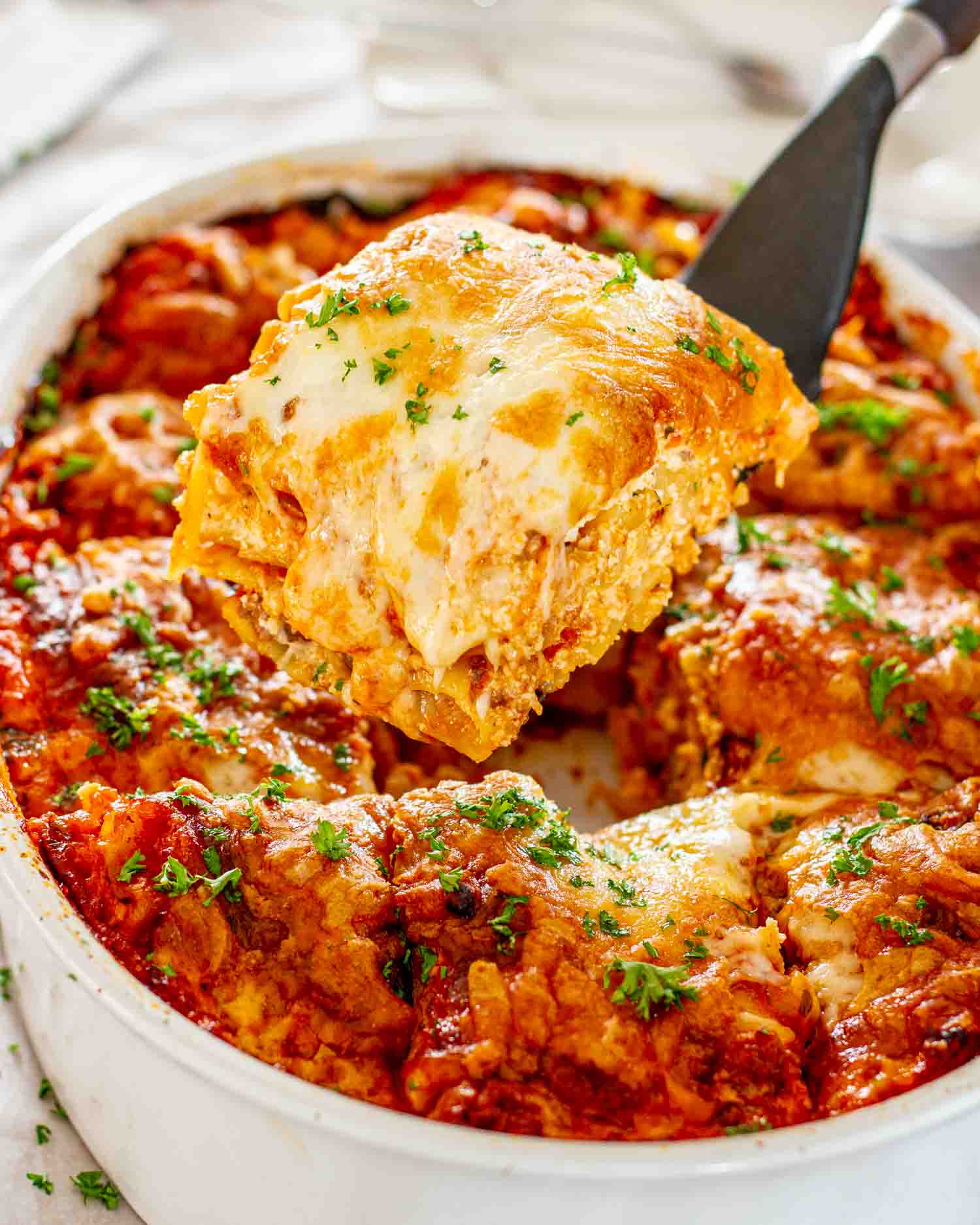
Unlock Rich Flavor: Essential Soffritto & Béchamel for Your Beef Lasagna
There are few dishes as universally beloved and deeply satisfying as a homemade beef lasagna. Layers of tender pasta, rich meat sauce, and creamy béchamel, all melded together in a symphony of flavor and texture, make it the ultimate comfort food. While many aspire to create an authentic, show-stopping
Master Authentic Italian Beef Lasagna: Tips for a Sublime Homemade Dish, the secret to truly unlocking that sublime taste often lies not in exotic ingredients, but in mastering two fundamental, yet often overlooked, components: the soffritto and the béchamel. These two foundational elements are the bedrock upon which an extraordinary beef lasagna recipe is built, transforming a simple casserole into a culinary masterpiece. Forget shredded mozzarella or lesser-quality passata; what truly elevates your lasagna is patience and a commitment to quality in these initial stages.
The Soul of Your Sauce: Mastering the Soffritto
Consider the soffritto the aromatic heart of your beef lasagna recipe’s meat sauce. It's the foundational flavor builder, a carefully sautéed blend of finely diced vegetables that forms the initial layer of complexity. Skipping this step, or rushing it, is akin to building a house without a strong foundation – it simply won't stand the test of time or taste.
The journey to an incredible meat sauce begins with a generous swirl of extra virgin olive oil in a large, heavy-bottomed pot. Allow it to heat slowly over a medium-low flame. This gentle warmth is crucial for coaxing out the full potential of your vegetables without burning them.
Next, introduce your finely chopped carrots, celery, and onion. The key here is not merely to cook them, but to *soften* them. This process, which can take anywhere from 5 to 10 minutes, allows their natural sugars to caramelize slightly and their essential oils to release, creating a sweet, savory, and incredibly fragrant base. This isn't just about adding vegetables; it's about building a profound flavor profile that will permeate every single bite of your beef lasagna.
Once your aromatic trio has softened, it's time for the mincemeat. We recommend a blend of veal and pork, or even just high-quality beef, for the best flavor and texture. Add the meat to the pot and, with a sturdy wooden spoon, begin to break it down. This step is vital: you want fine, crumbled meat, not large, chunky pieces. Continue to stir and break it up as it browns, ensuring even cooking and preventing it from becoming dry or clumping together. A well-browned meat base contributes significantly to the depth of flavor through the Maillard reaction – the scientific process of browning that creates hundreds of new flavor compounds.
As the mincemeat achieves a beautiful brown hue, pour in a glass of robust red wine. This isn't just for a boozy kick; the wine serves a critical purpose. It deglazes the pot, scraping up all those delicious, caramelized bits stuck to the bottom, incorporating them back into your sauce. Stir continuously until the wine has completely evaporated, leaving behind only its concentrated essence and a wonderfully complex aroma. *Don't rush this evaporation process* – it's where the magic truly happens, ensuring the alcohol cooks off and only the rich flavor remains.
Now, for the tomato base. Add about one and a half bottles of high-quality passata (not cheap, watery versions, please!). Stir it thoroughly, bring it to a gentle simmer, then reduce the heat to medium-low, cover the pot, and let it cook for at least one hour. Regular stirring is your friend here, preventing sticking and ensuring even cooking. After this initial hour, remove the lid. You'll notice the sauce has started to reduce, intensifying in color and flavor. At this point, you might add a splash of water if the sauce appears too thick or has reduced too much. Continue to simmer, uncovered, for another hour on a low heat, stirring occasionally. This extended, slow cooking allows the flavors to meld, deepen, and transform into a truly extraordinary sauce that forms the backbone of your unforgettable beef lasagna recipe. Remember, this large batch of sauce can easily be portioned and frozen for future meals, making your effort even more rewarding!
The Creamy Embrace: Crafting Perfect Béchamel
While the meat sauce provides the robust, savory core, béchamel offers a luxurious, creamy counterpoint that elevates your beef lasagna to new heights. Often overlooked in favor of ricotta or mozzarella, a proper béchamel provides unparalleled richness, moisture, and a silky texture that truly defines an authentic Italian lasagna.
Creating a smooth, lump-free béchamel is simpler than it seems, requiring only a little focus and a steady hand. Start by placing a small saucepan over a low heat. Add a generous knob of butter and allow it to melt slowly and completely. Once melted, sprinkle in an equal amount of all-purpose flour. This combination of butter and flour forms what's known as a "roux," which is the thickening agent for your béchamel.
Using a whisk, immediately and vigorously stir the butter and flour together. Continue whisking until the flour is fully incorporated and forms a smooth paste, cooking for about 1-2 minutes to eliminate any raw flour taste. The roux should be pale in color, not browned.
Now, the critical step: slowly add the milk. Begin by pouring in just about a quarter of the total milk, whisking constantly and gently yet firmly. The mixture will initially seize up and become very thick, but keep whisking! As you continue to slowly add the remaining milk, little by little, the sauce will gradually loosen and become creamy. The continuous whisking is paramount here – it prevents lumps from forming and ensures the sauce doesn't stick to the bottom of the pan and burn.
Keep whisking until the sauce reaches your desired consistency – it should be thick enough to coat the back of a spoon, creamy, and flowing, but not overly thin or pasty. Once it reaches this point, remove it from the heat. A simple sprinkle of salt and a pinch of freshly grated nutmeg are the traditional finishing touches, adding a subtle warmth and aroma that perfectly complements the rich flavors of your beef lasagna.
Beyond the Basics: Quality Ingredients & Patience
Beyond mastering soffritto and béchamel, the overall excellence of your
beef lasagna recipe hinges on two overarching principles: quality ingredients and patience. Just as a chef wouldn't compromise on the freshness of their produce, you shouldn't skimp on the core components of your lasagna. This means choosing fresh egg pasta sheets over dried ones if possible, opting for high-quality, flavorful cheeses (a trio of mozzarella, Parmesan, and perhaps a subtle provolone can be sublime), and, as mentioned, a superior tomato passata. The beauty of a "simple" lasagna, as some might describe it, is amplified by the quality of these everyday staples. For more in-depth insights into making the right choices, you might find valuable information in
The Secret to the Best Beef Lasagna: Quality Ingredients & Classic Steps.
Patience is equally crucial. The slow simmering of the meat sauce, the meticulous creation of the béchamel, and the careful layering during assembly all contribute to the final, harmonious result. This isn't a dish to be rushed; it's a labor of love that rewards every moment invested with unparalleled flavor.
Assembling Your Culinary Masterpiece
With your rich meat sauce simmered to perfection and your silky béchamel standing by, the assembly of your beef lasagna recipe begins. Start by lightly greasing your baking dish with extra virgin olive oil or melted butter, using a pastry brush to ensure an even coating. This prevents sticking and contributes to a beautiful, golden-brown bottom layer.
Carefully adjust the size of your fresh pasta sheets to fit your dish, trimming them as needed to ensure a neat, snug fit. Then, spread a generous scoop of your homemade beef lasagna sauce across the bottom of the prepared tray. This initial layer prevents the pasta from sticking and provides a flavorful base for the layers to come. From here, the careful layering of pasta, meat sauce, béchamel, and cheese will build your masterpiece, ensuring every forkful is perfectly balanced and utterly delicious.
In conclusion, while the overall construction of a beef lasagna recipe might seem straightforward, the truly extraordinary versions are built on a foundation of expertly prepared soffritto and béchamel. These two components, along with a commitment to quality ingredients and the patience to let flavors develop, are what transform a simple dish into an unforgettable culinary experience. Embrace these techniques, and you'll not only unlock rich flavor but also create a beef lasagna that will be cherished and requested for years to come.