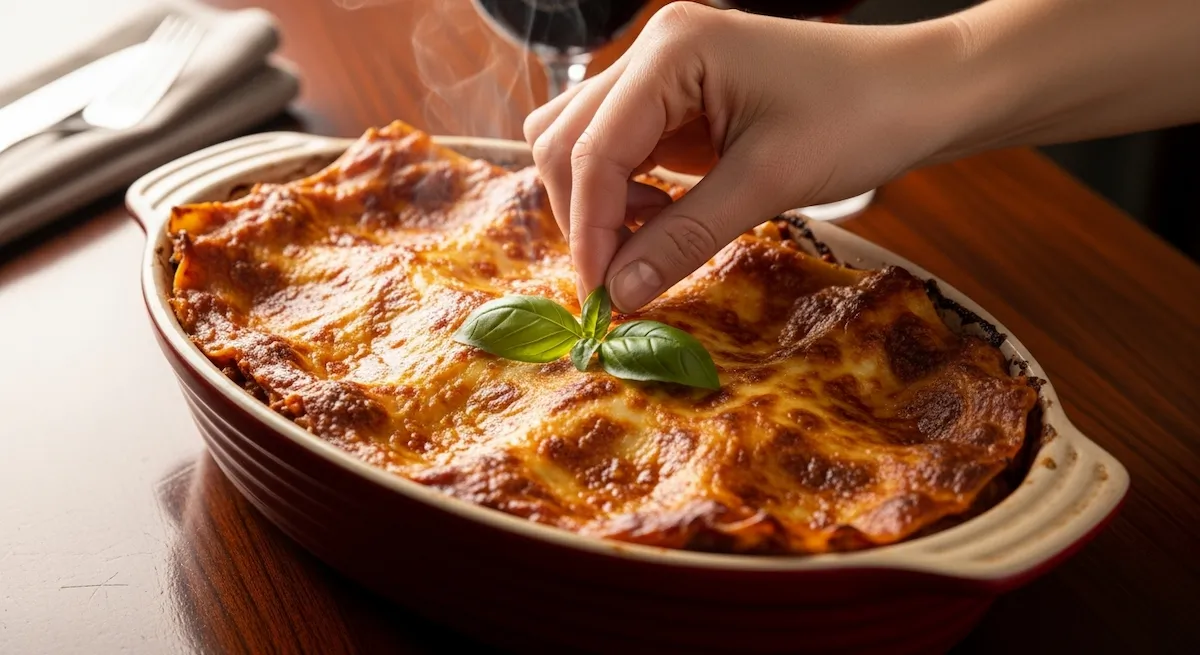
The aroma of a slow-cooked ragu mingling with the creamy richness of béchamel and the delicate scent of baking pasta is an experience that transcends mere sustenance. It’s the promise of comfort, tradition, and an unparalleled culinary delight. While countless recipes exist, unlocking the true potential of the best beef lasagna lies not in shortcuts, but in a patient dedication to time-honored techniques and, crucially, a commitment to superior ingredients. Forget pre-shredded cheese and watery passata; a truly sublime homemade beef lasagna, one that sings with authentic Italian flavor, demands quality and care at every turn. This isn't just a recipe; it's a journey to creating a masterpiece that will be cherished by family and friends, one unforgettable bite at a time.
The Foundation of Flavor: Mastering Your Beef Lasagna Ragu
Every exceptional beef lasagna recipe begins with an extraordinary ragu. This isn't just a meat sauce; it's the soul of the dish, meticulously crafted to achieve a depth of flavor that cheap alternatives simply cannot replicate. The secret starts with the choice of meat and the foundational technique.
Beyond Just Meat: The Perfect Blend for Your Ragu
While many opt for pure beef, the truly authentic Italian approach often incorporates a blend of meats. Our recommendation for a truly sublime beef lasagna features a harmonious mix of veal and pork mince. This combination offers a richer, more nuanced flavor profile and a superior texture. Veal provides tenderness, while pork adds a delightful fattiness and depth that beef alone sometimes lacks. A crucial, often overlooked, tip is to break down the mincemeat thoroughly as it browns. Use a wooden spoon to separate it into fine, even crumbles. This ensures that once cooked, your ragu will be beautifully moist and tender, rather than dry and chunky – a common pitfall for many home cooks.
But before the meat even touches the pan, the journey to an unforgettable ragu begins with the soffritto. This aromatic base of finely diced carrot, celery, and onion, slowly cooked in a generous glug of extra virgin olive oil, is the undisputed key to a tastier filling. It’s the foundational layer upon which all other flavors are built, adding a subtle sweetness and aromatic complexity. Add your chopped vegetables to a large pot with heated extra virgin olive oil and allow them to soften gently for 5-10 minutes. This slow rendering coaxes out their natural sugars and aromas, creating the perfect stage for the meat.
A Symphony of Flavors: Wine, Passata, and Patience
Once your soffritto is golden and the mincemeat has been introduced and browned thoroughly, it's time for the next crucial step: the red wine. Do not skip this! Adding a glass of good quality red wine at this stage and allowing it to simmer until it completely evaporates is vital. The wine not only deglazes the pan, lifting all those delicious browned bits from the bottom, but it also infuses the meat with a complex, fruity, and slightly acidic note that mellows beautifully during the long cook. This early addition ensures the wine’s flavor integrates perfectly, rather than tasting like an afterthought.
With the wine evaporated, it's time to introduce the star of the sauce: the passata. Here, quality is paramount. Ditch the budget brands and invest in one and a half bottles of high-quality, vibrant tomato passata. This pure, sieved tomato purée offers a smoother texture and a naturally sweet, intense tomato flavor that forms the backbone of your ragu. Stir it through, then cover the pot and let it simmer gently on a medium-low heat for a full hour. This initial simmer allows the flavors to meld and deepen. Periodically stir with a wooden spoon to prevent sticking. After an hour, remove the lid. You'll notice the sauce has reduced and thickened. At this point, add about one glass of water to rehydrate slightly and continue cooking uncovered on a low heat for another hour. Keep an eye on it, stirring occasionally, and add a little more water if it seems to dry out too much. This extended, slow cooking process is where the true magic happens, transforming simple ingredients into a rich, velvety ragu that is truly the heart of any exceptional Master Authentic Italian Beef Lasagna: Tips for a Sublime Homemade Dish.
The Creamy Embrace: Crafting the Perfect Béchamel
While some Americanized lasagna recipes opt for ricotta, an authentic Italian beef lasagna recipe often relies on the elegant simplicity of béchamel sauce. This creamy, delicate white sauce adds a silken texture and a subtle richness that beautifully complements the robust ragu, creating a harmonious balance in every bite.
Unlocking Silky Smoothness: The Béchamel Process
Creating a lump-free, luscious béchamel is simpler than it sounds, requiring just a few key steps and a little attention. Start by melting a knob of butter slowly in a small saucepan over a low heat. Once melted, add an equal amount of flour to create a roux. This flour-butter paste is the thickening agent for your sauce. Whisk it vigorously for a minute or two, allowing the flour to cook out and absorb the butter, creating a smooth, pale mixture. This crucial step prevents a raw flour taste in your final sauce.
Next, the milk. The key to a silky béchamel is to add the milk slowly and gradually, whisking continuously. Begin by adding about a quarter of the total milk, whisking constantly until it's fully incorporated and the mixture is smooth. Continue adding the remaining milk in small increments, whisking gently yet firmly all the while. This persistent stirring is essential to prevent lumps from forming and to keep the sauce from sticking to the bottom of the pan. As you continue to whisk and heat, the sauce will gradually thicken and become beautifully creamy. Stop once it reaches your desired consistency – typically thick enough to coat the back of a spoon. Finally, remove from the heat and stir in a sprinkle of salt and, for that classic touch, a pinch of freshly grated nutmeg. Nutmeg adds a wonderfully aromatic warmth that elevates the sauce without overpowering it, making your béchamel truly special. For more in-depth guidance on this essential component, delve into Unlock Rich Flavor: Essential Soffrito & Béchamel for Your Beef Lasagna.
Assembling Your Masterpiece: Layers of Love
With your rich ragu simmering and your velvety béchamel cooling, the final stage of your homemade beef lasagna journey awaits: assembly. This is where all your patiently crafted components come together to form the iconic layers that define this beloved dish.
Prepping for Perfection: Pasta and Tray
Before you begin layering, prepare your baking dish. Lightly brush the bottom and sides with a little extra virgin olive oil or melted butter. This simple step helps prevent sticking and adds another layer of flavor. For the pasta, fresh egg pasta sheets are highly recommended as they offer a superior texture and absorb the sauces beautifully. If using fresh sheets, they often don't require pre-boiling. Should you be using dried lasagna sheets, a brief blanch in boiling water might be necessary, but always check the package instructions. Remember to adjust the size of your lasagna sheets to fit your baking dish perfectly by cutting them to size. A snug fit ensures uniform layers and prevents dry edges.
The Layering Technique: Balance is Key
The art of layering is all about balance. The goal is to have enough of each component to impart its flavor and texture without overwhelming the others. Start by spreading a thin scoop of your beef lasagna ragu across the bottom of the prepared baking tray. This provides a flavorful base and prevents the first layer of pasta from sticking. Next, place a layer of your fresh pasta sheets. Over the pasta, spread another thin, even layer of ragu. Remember the golden rule from earlier: add ingredients in moderation and never too much sauce per layer. Too much sauce can make your lasagna soupy.
Now, a generous dollop of your creamy béchamel, spread evenly over the ragu. Finally, sprinkle with your chosen cheeses. For an authentic Italian experience, a trio often includes freshly grated Parmigiano-Reggiano, a touch of Pecorino Romano for a sharper note, and fresh, low-moisture mozzarella, rather than pre-shredded varieties, which often contain anti-caking agents. Repeat these layers – pasta, ragu, béchamel, cheese – until you reach the top of your dish, ending with a final luscious layer of béchamel and a generous scattering of cheese for a golden, bubbly crust.
Baking to Golden Perfection & Serving Secrets
The Final Transformation: Baking and Resting
Once assembled, your magnificent beef lasagna is ready for its final transformation in the oven. Preheat your oven to a moderate temperature (typically around 180°C/350°F). Bake for approximately 30-45 minutes, or until the top is golden brown and bubbling, and the pasta is tender. If the top starts to brown too quickly, you can loosely cover it with foil for part of the baking time.
Perhaps the most challenging, yet crucial, step after baking is allowing your lasagna to rest. While it might be tempting to dive straight in, resist! Letting the lasagna rest for at least 10-15 minutes after it comes out of the oven allows the layers to set, the sauces to redistribute, and the flavors to fully meld. This ensures clean, defined slices and prevents a messy, collapsing dish when you serve it.
Serving Suggestions and Beyond
Serve your exquisite beef lasagna hot, perhaps with a simple green salad dressed with a vinaigrette to cut through the richness. The sheer satisfaction of pulling a bubbling pan of cheesy, layered pasta out of the oven is unmatched. Remember, the journey to the best beef lasagna is one of patience and passion, yielding a reward far greater than the sum of its parts.
Don’t worry if you find yourself with extra ragu – a common occurrence when making a generous batch! This delicious sauce can be easily stored in airtight containers in the fridge for a few days or frozen for several months, ready to be repurposed for another meal, whether it's pasta, polenta, or even a quick pizza base. This foresight means your efforts extend beyond a single meal, offering future moments of culinary delight.
The secret to the best beef lasagna isn't a complex, exotic ingredient or a fleeting trend. It's a profound respect for tradition, a commitment to quality ingredients, and the simple act of taking your time. From the slow simmer of the ragu to the careful layering of each component, every step contributes to a dish that is truly sublime. Embrace the process, savor the aromas, and prepare to delight in a homemade beef lasagna that will undoubtedly become a cherished family favorite, a testament to the joy of cooking with heart and soul.
