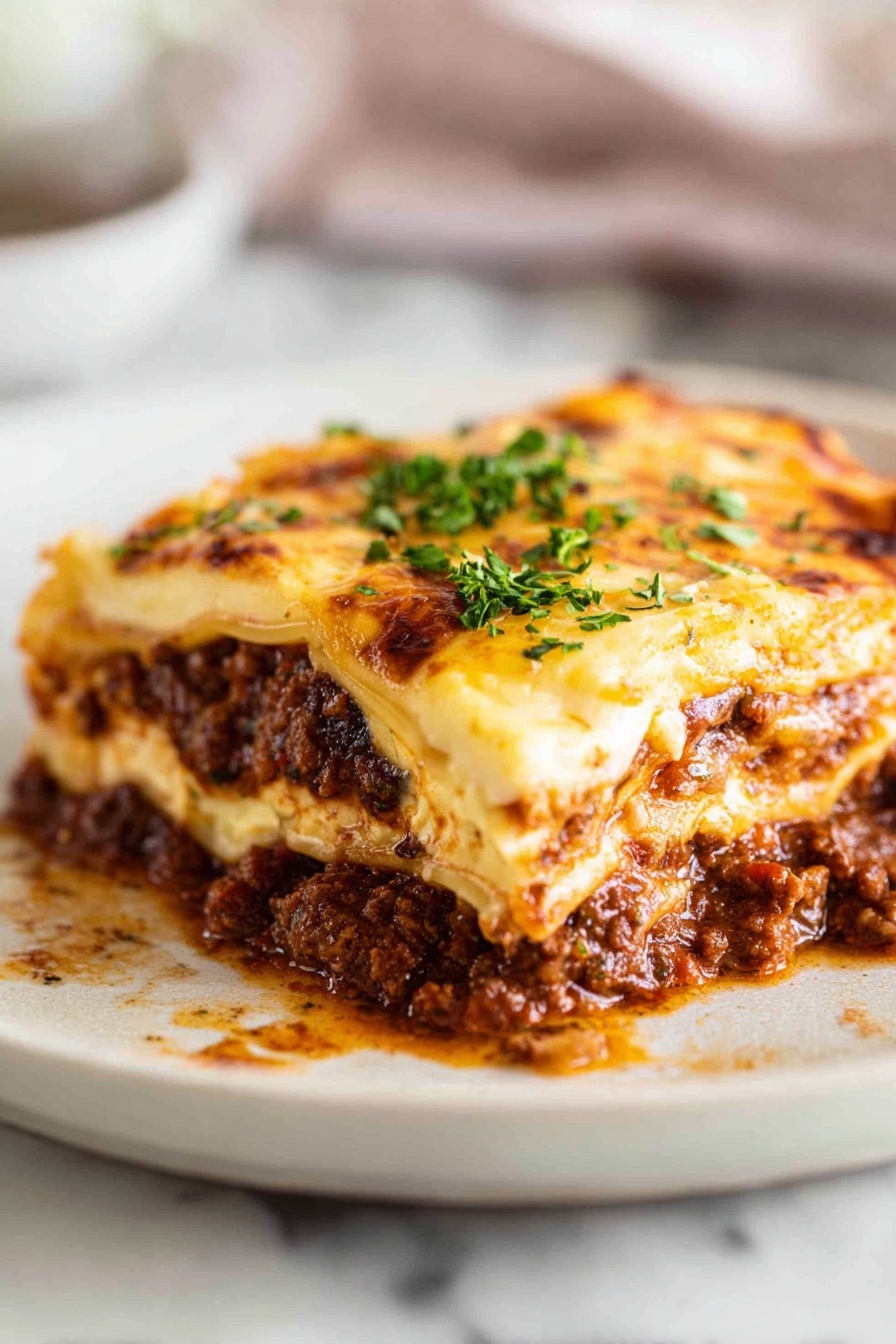
Master Authentic Italian Beef Lasagna: Tips for a Sublime Homemade Dish
There's a reason beef lasagna holds a special place in hearts and kitchens worldwide. It's the ultimate comfort food, a dish that transcends mere sustenance to become a celebration of flavor, texture, and tradition. While countless variations exist, mastering an *authentic Italian beef lasagna recipe* promises an unparalleled culinary experience – a truly sublime homemade dish that will impress and satisfy every time. Forget dry, chunky layers or bland sauces; we're diving deep into the secrets of creating a lasagna that's rich, moist, and bursting with genuine Italian taste. The journey to a truly magnificent lasagna isn't a race; it's a marathon of passion, patience, and quality ingredients. This isn't about shortcuts; it's about embracing the traditional techniques that elevate simple components into a symphony of flavors.The Soul of Your Lasagna: Crafting an Irresistible Ragu
The foundation of any great Italian lasagna is its meat sauce, or ragu. This isn't just ground beef and tomato sauce; it's a slow-cooked masterpiece, designed to infuse every layer with profound flavor. Our preferred blend, inspired by Italian tradition, often includes a mix of veal and pork mince, offering a richer, moister result than beef alone.Building the Aromatic Foundation: The Soffritto
The journey to an extraordinary ragu begins with the soffritto – the holy trinity of finely diced carrot, celery, and onion. This aromatic base is where the magic truly starts:- Start Slow: Add a generous amount of high-quality extra virgin olive oil to a large, heavy-bottomed pot over low heat. Let it warm gently.
- Sauté to Sweetness: Add your finely chopped vegetables. The key here is patience; allow them to soften and become translucent, releasing their natural sugars and aromas over 5-10 minutes. This slow caramelization is crucial for developing a deep, complex flavor in your sauce, preventing any harsh raw vegetable notes.
For more detailed insights into this fundamental step, explore Unlock Rich Flavor: Essential Soffrito & Béchamel for Your Beef Lasagna.
Developing Umami: Browning the Mincemeat
Once your soffritto is fragrant and tender, it's time for the meat:- Break it Down: Add your mincemeat (veal and pork blend recommended for optimal moisture and flavor) to the pot. Using a wooden spoon, diligently break it down into very fine pieces as it begins to brown. This prevents the meat from clumping into dry, chunky bits and ensures it integrates seamlessly into the sauce.
- Brown, Don't Boil: Increase the heat slightly to medium-high. Stir often, allowing the meat to brown evenly. This browning process (the Maillard reaction) creates rich, savory umami notes essential for a profound ragu.
The Red Wine Deglaze: Adding Complexity
This step is non-negotiable for true depth of flavor:- Timing is Key: Once the mincemeat is thoroughly browned, pour in a glass of good quality dry red wine.
- Scrape and Simmer: Stir vigorously with your wooden spoon, scraping up all the delicious browned bits (fond) from the bottom of the pot. These bits are concentrated flavor! Allow the wine to simmer and reduce until it has almost completely evaporated. This process concentrates the wine's flavor, adding a subtle tang and complexity without any alcoholic harshness.
The Long Simmer: Patience for Perfection
Now, for the heart of your ragu – the tomato passata:- Quality Passata: Use 1 ½ bottles of high-quality tomato passata. The quality of your passata significantly impacts the final taste of your beef lasagna recipe. Avoid watery, cheap versions.
- Low and Slow: Stir the passata through, reduce the stove to a medium-low heat, cover the pot, and let it simmer for the first hour. This gentle cooking allows the flavors to meld.
- Uncovered Reduction: After an hour, remove the lid. You'll notice the sauce has reduced. At this point, add about one glass of water to adjust consistency, if needed, or if it seems too thick. Continue to cook uncovered on a low heat for another hour, stirring every now and then. This second hour allows the sauce to thicken naturally, developing a deeper, more concentrated tomato flavor.
Remember, don't worry if you've made a large batch! This magnificent ragu freezes beautifully, ready to elevate future meals.
The Silken Embrace: Perfecting Your Béchamel Sauce
While some traditional recipes skip béchamel in favor of ricotta, a classic Italian beef lasagna recipe often features this creamy white sauce. It adds an unparalleled silkiness and richness that balances the robust meat ragu beautifully.Crafting the Roux
The roux is the thickening agent for your béchamel:- Melt Butter: In a small saucepan over low heat, slowly melt butter.
- Add Flour: Once melted, add an equal amount of all-purpose flour. Whisk quickly and continuously until the flour is fully incorporated and forms a smooth paste (the roux). Cook the roux for 1-2 minutes to remove any raw flour taste, being careful not to brown it.
Gradual Milk Addition and Whisking
This is where the magic happens:- Slow and Steady: Slowly begin adding cold milk, a small amount (around ¼ cup) at a time, to the roux.
- Constant Whisking: Here's the cardinal rule: never stop whisking! This continuous, gentle-yet-firm action is crucial to prevent lumps and ensure a perfectly smooth, creamy béchamel. It allows the flour particles to absorb the milk gradually, creating a stable emulsion.
- Achieve Desired Consistency: Continue adding milk and whisking until the sauce starts to thicken and become creamy, coating the back of a spoon. You want it thick enough to cling, but still pourable.
Finishing Touches
Turn off the stove and finish your béchamel:- Seasoning: Add a sprinkle of salt and, for a touch of classic warmth, a pinch of freshly grated nutmeg.
Expert Tip: If you find your béchamel has lumps, simply pass it through a fine-mesh sieve before using. If it's too thick, whisk in a little more warm milk. If too thin, gently cook it longer or make a small extra roux to stir in.
Assembling Your Sublime Lasagna Layers
The assembly is where all your hard work comes together, creating the iconic layers of a sensational beef lasagna.Preparation is Key
Before you start stacking:- Tray Prep: Lightly grease your baking tray with extra virgin olive oil or melted butter, using a pastry brush to ensure even coverage. This prevents the bottom layer from sticking.
- Pasta Sheets: For an authentic Italian experience, fresh egg pasta sheets are highly recommended. They offer a delicate texture and typically don't require pre-boiling. Cut your pasta sheets to fit your baking dish perfectly beforehand – this ensures neat layers and even cooking. If using dried "no-boil" sheets, follow package instructions carefully; some may still benefit from a very quick dip in hot water.
The Harmonious Stack: Layering for Perfection
The art of layering is about balance, ensuring each forkful delivers a symphony of flavors and textures:- Ragu Base: Begin with a thin, even scoop of your rich beef ragu spread across the bottom of the tray. This prevents the pasta from sticking and keeps the first layer moist.
- Pasta: Lay down your first layer of pasta sheets, ensuring they cover the sauce edge-to-edge.
- Meat Sauce: Add another layer of your exquisite ragu. Remember the golden rule from the reference context: "Add ingredients in moderation and never too much sauce!" Overloading a layer can lead to a watery or structurally weak lasagna.
- Béchamel: Gently spread a generous dollop of your silky béchamel sauce over the ragu.
- Cheese: Sprinkle generously with your chosen cheeses. A traditional trio might include freshly grated Parmesan, a good quality mozzarella (not cheap, pre-shredded varieties), or even provolone for a sharper note.
- Repeat: Continue this layering sequence – pasta, ragu, béchamel, cheese – until you reach the top of your baking dish.
- The Grand Finale: Finish with a final layer of pasta, generously smothered in béchamel sauce, and a copious amount of grated cheese for that irresistible golden, bubbly crust.
For more detailed insights into ingredient selection and classic layering techniques, read our guide on The Secret to the Best Beef Lasagna: Quality Ingredients & Classic Steps.
Baking, Resting, and Savoring the Reward
You're almost there! The baking process transforms your stacked ingredients into a cohesive, bubbling masterpiece.Baking to Golden Perfection
- Preheat: Preheat your oven to the recommended temperature (typically around 180°C/350°F).
- Initial Bake (Covered): Cover your lasagna with aluminum foil. This traps steam, ensuring the pasta cooks thoroughly and the entire dish heats evenly without drying out the top. Bake for approximately 25-30 minutes.
- Final Bake (Uncovered): Remove the foil and continue baking for another 20-30 minutes, or until the top is golden brown, bubbly, and the cheese is melted and slightly caramelized.
The Golden Rule: Resting Time
This step is critical and often overlooked, but vital for perfect slices:- Patience, Again: Once out of the oven, resist the urge to cut into it immediately. Cover loosely with foil and let your lasagna rest for at least 15-20 minutes.
- Why it Matters: During this resting period, the molten sauces and cheeses firm up, and the layers settle. This prevents your beautiful lasagna from collapsing into a messy pile when you cut it, ensuring clean, elegant slices that hold their shape.
Essential Tips for Your Best Beef Lasagna Recipe Yet
Beyond the steps, a few guiding principles will ensure your beef lasagna recipe always shines:
- Quality Ingredients are Non-Negotiable: From the passata to the cheese, the better your ingredients, the better your final dish. There's no hiding poor quality in a dish like lasagna.
- Embrace the Simmer: The ragu needs time to develop. Don't rush it. The longer it simmers, the deeper and more integrated the flavors become.
- Break Down Your Meat: Remember to finely break down the mincemeat early in the cooking process to avoid dry, chunky bits and ensure a smooth, moist ragu.
- Don't Be Afraid to Make Extra Ragu: As mentioned, the ragu freezes beautifully. Prepare a larger batch and portion it out for quick weeknight meals or future lasagnas.
- Taste and Adjust: Season your ragu and béchamel as you go. A little salt or pepper at different stages can make a big difference.
